

 See My Latest Article on HelloNation
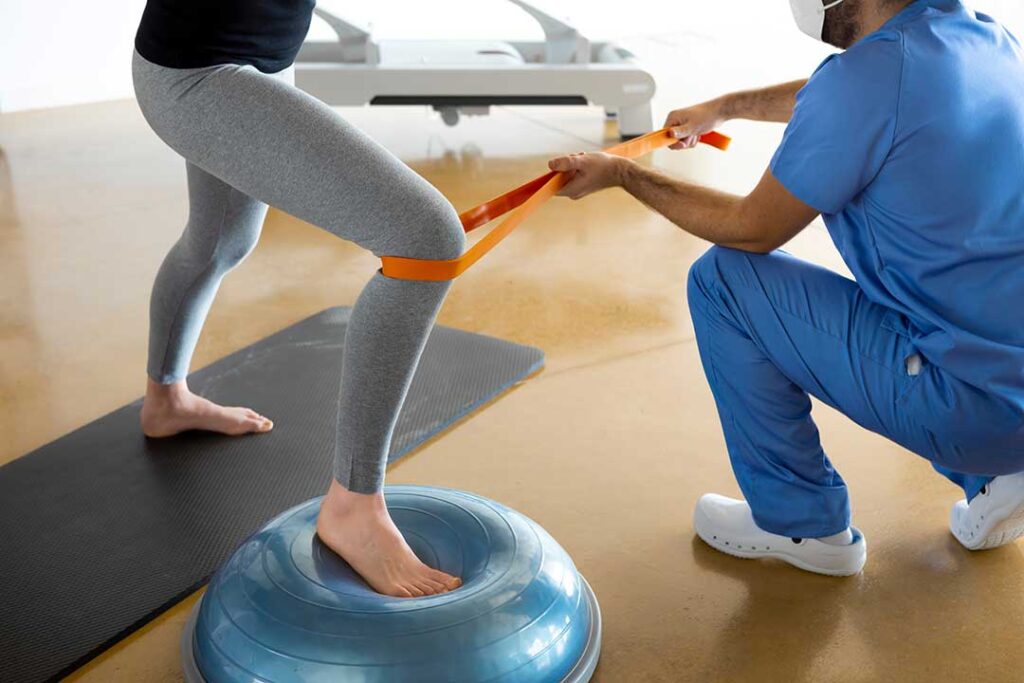
Children develop movement skills at different rates, and a small variation does not always signal a problem. Still, persistent difficulty with walking, running, balance, coordination, strength, or everyday physical activities may be a reason to ask whether pediatric physical therapy could help.
A physical therapist evaluates how a child moves, identifies factors that may be limiting participation, and develops age-appropriate activities to improve function. The goal is not simply to build strength. It is to help a child move more safely and confidently during play, school routines, sports, and family activities.
What does a pediatric physical therapist treat?
Pediatric physical therapists work with infants, children, and teenagers who have movement challenges caused by development, injury, illness, or a medical condition. They may address:
- Delays in rolling, sitting, crawling, standing, or walking
- Difficulty with balance, coordination, or motor planning
- Frequent tripping, falling, or bumping into objects
- Weakness, stiffness, or limited joint movement
- Walking on the toes, limping, or an unusual gait pattern
- Recovery after a fracture, sprain, surgery, or other injury
- Problems with posture, endurance, or body control
- Challenges related to cerebral palsy, developmental disorders, muscular conditions, or neurological conditions
- Difficulty participating in physical education, playground activities, or sports
Therapy may involve movement games, strengthening activities, stretching, balance exercises, practice with stairs, and guidance for caregivers. The activities are usually adapted to the child’s age, interests, attention span, and daily routines.
What signs suggest a child should be evaluated?
A child may benefit from an evaluation when movement difficulties are persistent, worsening, or interfering with ordinary activities. Useful signs to watch for include:
Delayed motor milestones
Children do not all reach milestones on the same day, but a child who is not progressing, loses a skill, or appears significantly behind peers may need further assessment. Examples include difficulty holding the head steady, sitting without support, moving on the floor, standing, or taking early steps.
A loss of a previously learned movement skill deserves prompt medical attention. Regression is different from simply developing at a slower pace and should be discussed with the child’s pediatric medical provider.
Frequent falls or unusual movement patterns
Occasional falls are normal, especially during new activities. Frequent falls, persistent toe walking, dragging one foot, walking with a pronounced limp, or relying heavily on furniture for support may be worth evaluating.
Parents may also notice that a child turns the feet inward or outward, avoids stairs, uses one side of the body more than the other, or has trouble getting up from the floor. These observations do not identify a diagnosis by themselves, but they provide useful information for an evaluation.
Difficulty keeping up with peers
Older children may show challenges in less obvious ways. A child might avoid running games, tire quickly during walks, struggle with playground equipment, or have trouble participating in physical education. Some children appear uncoordinated during catching, jumping, hopping, skipping, or changing direction.
Avoiding movement is sometimes interpreted as a lack of interest or motivation. In some cases, the child is avoiding an activity that feels difficult, tiring, painful, or unpredictable.
Pain, stiffness, or reduced function
Pain that continues, returns frequently, or changes how a child walks, sleeps, plays, or uses an arm should not be dismissed as normal growing pains. Swelling, weakness, limited motion, or reluctance to put weight on a limb also deserves medical evaluation.
After an injury, a child may seem better before fully regaining strength, flexibility, balance, or confidence. Rehabilitation can help restore function and reduce the chance of compensatory movement patterns.
Should a child see a physical therapist for toe walking?
Persistent toe walking can have several possible causes, including habit, limited ankle flexibility, differences in muscle tone, sensory preferences, or an underlying neurological or developmental condition. Not every child who walks on the toes needs therapy, but ongoing toe walking—especially when it affects balance, footwear, endurance, or participation—should be discussed with a pediatric medical provider.
An evaluation may include observing walking, checking ankle movement, assessing leg strength, and looking at balance and coordination. The appropriate plan depends on the child’s age, history, physical findings, and whether toe walking occurs all the time or only during certain activities.
Can physical therapy help children with sports injuries?

Yes. Children and adolescents may need rehabilitation after ankle sprains, knee injuries, muscle strains, fractures, or repetitive-use problems. Therapy can focus on pain-free movement, strength, balance, landing mechanics, flexibility, and a gradual return to activity.
A child should not return to sports solely because pain has temporarily improved. Readiness may also require normal movement, adequate strength on both sides, good balance, and the ability to perform sport-related tasks without symptoms. Returning too quickly can increase the risk of reinjury.
For urgent concerns—such as a visible deformity, severe swelling, inability to bear weight, loss of feeling, or pain after a significant impact—immediate medical assessment may be more appropriate than routine rehabilitation planning.
What happens during a pediatric physical therapy evaluation?
The first visit generally includes a discussion of the child’s history, daily activities, concerns, and goals. The therapist may observe walking, running, stairs, transfers, jumping, balance, posture, coordination, and use of the arms or legs.
The assessment should be adapted to the child. Young children may participate through play, while older children may complete more structured movement tasks. Caregivers can help by bringing information about when the concern began, what makes it better or worse, previous injuries, and activities the child avoids.
An evaluation does not automatically mean that a child needs ongoing therapy. Sometimes the findings support monitoring, home activities, changes to daily routines, or follow-up with another medical provider.
How can families observe movement at home?
Families can gather helpful information without testing a child formally. Notice whether the concern appears during:
- Running, jumping, hopping, or climbing
- Walking on different surfaces
- Getting dressed, using stairs, or rising from the floor
- Playground activities or organized sports
- Longer walks, cold-weather outdoor play, or activities requiring extra layers and boots
In Newington, CT, seasonal changes may affect how children move outdoors. Snow, ice, wet pavement, heavier clothing, and winter footwear can make balance and mobility more demanding. A child who manages well indoors but struggles outdoors may be showing an endurance, balance, strength, or sensory challenge that is easier to recognize during colder months.
Short videos taken during ordinary activities may also help a medical provider understand a pattern, particularly if the movement concern is inconsistent. Videos should be captured safely and should not involve asking a child to perform painful or risky movements.
Who should a family speak with first?
A child’s pediatric medical provider can help determine whether a physical therapy evaluation is appropriate and whether additional assessment is needed. Families may also hear concerns from teachers, school nurses, coaches, childcare providers, or other caregivers who observe the child in different settings.
Physical therapy is especially worth discussing when a movement problem is persistent, affects participation, causes pain, follows an injury, or is associated with delayed development. Early guidance can clarify whether the issue is likely to resolve with time, benefits from targeted support, or requires broader medical evaluation.
A child does not need to be severely impaired to be evaluated. The practical question is whether movement is limiting safety, independence, comfort, confidence, or participation in everyday life.