

 See My Latest Article on HelloNation

Chronic pain can affect sleep, work, exercise, household tasks, and mood. Physical therapy helps many people manage it by improving movement, building physical capacity, reducing fear of activity, and teaching practical strategies for handling flare-ups.
Chronic pain generally means pain lasting longer than three months or continuing beyond the expected healing period. It may follow an injury, surgery, arthritis, nerve irritation, or another health condition. Sometimes pain continues even after tissues have healed. That does not mean the pain is imaginary; it means the nervous system may remain more sensitive to movement or other signals. ([choosept.com](https://www.choosept.com/guide/physical-therapy-guide-chronic-pain?utm_source=openai))
What does physical therapy do for chronic pain?
Physical therapy does not rely on a single technique or promise that pain will disappear immediately. Instead, it uses an individualized plan to improve function and help the body tolerate activity more comfortably.
An evaluation may consider:
- Strength, flexibility, balance, and joint motion
- Walking, lifting, reaching, sitting, or stair movement
- Sleep, stress, fatigue, and activity patterns
- Previous injuries, surgeries, or medical conditions
- Activities that increase or decrease symptoms
- Fear of movement or concern about causing further damage
The goal is usually broader than reducing a pain score. A useful plan may focus on standing long enough to prepare a meal, walking through a grocery store, returning to a job task, sleeping more comfortably, or participating in family activities.
Can exercise help if movement hurts?
Yes, but the exercise usually needs to be adjusted to the person’s current abilities. Avoiding all movement can lead to weakness, stiffness, reduced confidence, and greater difficulty returning to normal activities. At the same time, pushing through severe symptoms can cause a flare-up and make activity feel unsafe.
Physical therapy often uses graded activity. This means starting with a manageable amount of movement and increasing it gradually. Examples may include:
- Short walks followed by rest before symptoms become overwhelming
- Gentle strengthening for the hips, legs, back, shoulders, or trunk
- Range-of-motion exercises for stiff joints
- Balance practice to improve confidence with daily movement
- Gradual exposure to activities that have been avoided
The appropriate level depends on the diagnosis, general health, medications, sleep, and recent activity. Exercise for chronic pain should be challenging enough to build capacity but not so aggressive that it repeatedly causes prolonged worsening. Guidance for chronic primary pain also emphasizes choosing physical activity that can continue in a sustainable way over time. ([nice.org.uk](https://www.nice.org.uk/guidance/ng193/chapter/recommendations))
How does physical therapy change the pain experience?
Pain is influenced by more than tissue injury. Stress, poor sleep, fatigue, fear, previous experiences, and prolonged inactivity can all affect how strongly the nervous system responds.
Education can help explain why pain may fluctuate without indicating new damage. Understanding this process may reduce the cycle of pain, fear, avoidance, weakness, and more pain. A physical therapist may also teach pacing, breathing, relaxation, posture changes, and ways to divide demanding tasks into smaller portions.
For example, a resident managing back pain may find that standing for 30 minutes while preparing dinner is too much, while several shorter periods of standing with seated breaks are manageable. Over time, the goal may be to increase total activity without treating every increase in symptoms as an emergency.
What hands-on treatments may be included?
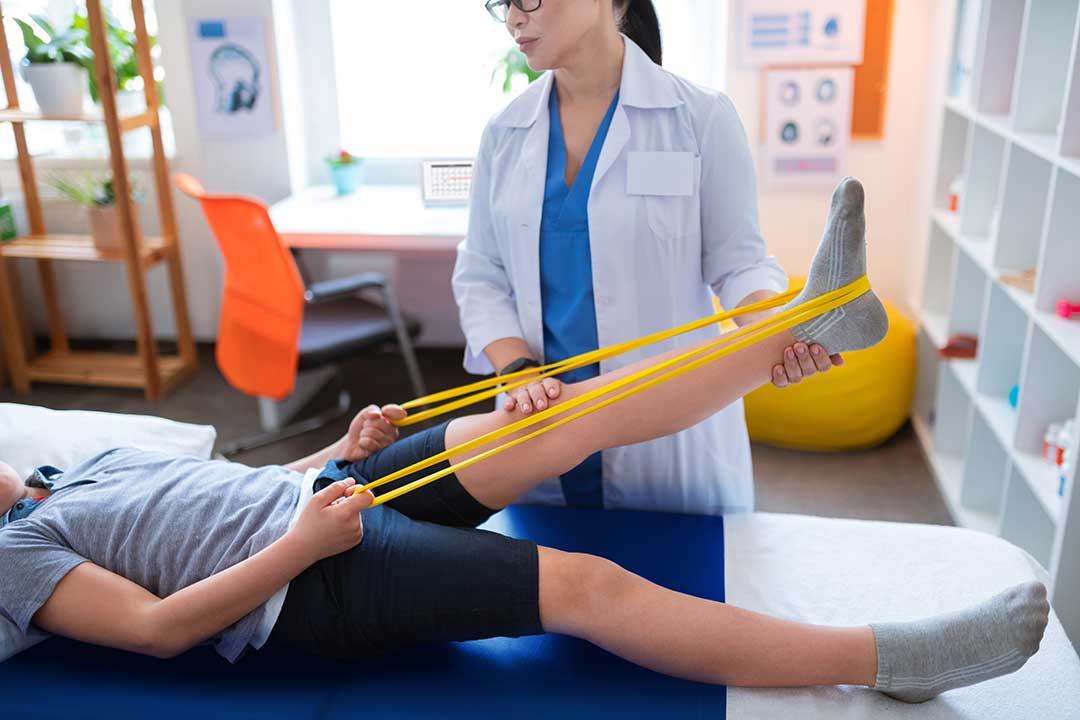
Manual therapy may include gentle joint mobilization, soft-tissue techniques, or guided movement. These approaches can temporarily improve comfort or motion and may make it easier to participate in exercise.
Hands-on care is generally most useful when it supports active rehabilitation rather than replacing it. A plan based only on passive treatments may not prepare someone to lift laundry, climb stairs, shovel snow, sit through a commute, or complete other recurring tasks.
Heat, ice, or electrical stimulation may be considered for selected situations, but they are not universal solutions for chronic pain. Their usefulness depends on the person’s condition and response. ([choosept.com](https://www.choosept.com/guide/physical-therapy-guide-chronic-pain?utm_source=openai))
What local factors can affect chronic pain management?
Daily routines in Newington may change with the seasons. Winter conditions can reduce outdoor walking, increase time indoors, and make icy surfaces a concern for people with knee, hip, back, or balance problems. Cold weather may also encourage long periods of sitting, especially for people who work from home or limit travel.
A practical plan may include indoor walking routes, chair-based exercises, safe stair practice, or strengthening that supports household activities. During warmer months, gradual increases in gardening, yard work, recreational walking, or outdoor chores can prevent the common pattern of doing too much after a period of inactivity.
Home layout matters as well. Repeated stair use, low chairs, basement laundry, long periods at a computer, and lifting children or household items may reveal specific movement problems that can be addressed during therapy.
Will physical therapy eliminate chronic pain?
Not always. Chronic pain has different causes, and improvement may mean less pain, better sleep, greater strength, fewer flare-ups, or more confidence with movement rather than complete symptom elimination.
Physical therapy is one part of pain care. Depending on the cause, a broader plan may include medical evaluation, medication review, behavioral health support, sleep treatment, nutrition guidance, or other rehabilitation services. The Centers for Disease Control and Prevention identifies physical therapy and other nonopioid approaches as options that can improve pain and function for certain chronic conditions, with treatment selected according to the individual’s needs and risks. ([cdc.gov](https://www.cdc.gov/overdose-prevention/hcp/clinical-care/nonopioid-therapies-for-pain-management.html?utm_source=openai))
What should someone expect during an evaluation?
The first visit commonly includes questions about symptom history, health conditions, medications, activity limits, and personal goals. Movement tests may examine strength, walking, balance, flexibility, coordination, and how symptoms respond to specific activities.
A plan should be explained in understandable terms. It may include a home program, ways to monitor symptoms, instructions for handling flare-ups, and criteria for progressing or reducing activity. Keeping a brief record of pain patterns, sleep, activity, and functional limits can help identify useful trends.
When should chronic pain be medically evaluated?
Persistent pain deserves evaluation when it is worsening, repeatedly disrupting sleep, limiting normal activities, or accompanied by unexplained weight loss, fever, significant weakness, progressive numbness, loss of bladder or bowel control, a major injury, or other unusual symptoms. Sudden severe symptoms or signs of a medical emergency require prompt medical attention.
Physical therapy can help identify movement-related contributors, but it is not a substitute for evaluation of serious disease, infection, fracture, neurological problems, or other conditions requiring medical care.
A realistic chronic-pain plan combines education, appropriately dosed movement, attention to sleep and stress, and steady progress toward meaningful daily activities. The most useful measure of improvement is often what a person can do more comfortably and consistently—not only what the pain rating says on a particular day.