

 See My Latest Article on HelloNation
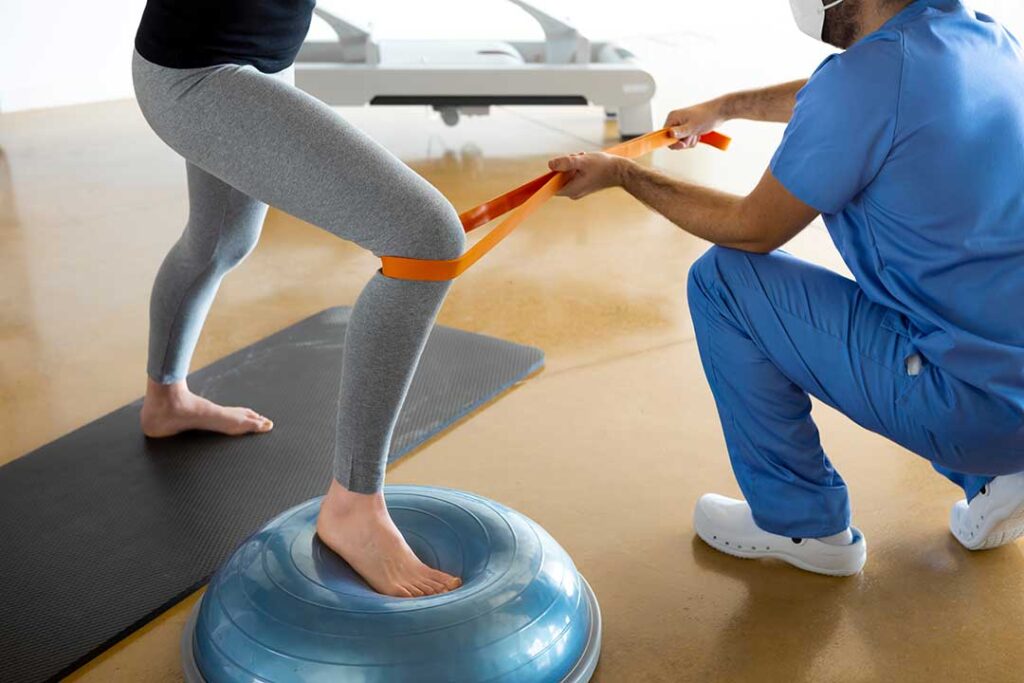
Why Is Balance So Important for Preventing Falls?
Maintaining steady balance helps reduce the risk of falls, especially for older adults and those recovering from injury or surgery. In Newington, CT, seasonal changes like winter ice and wet autumn leaves can heighten fall hazards outside, while tightly arranged home layouts and stairs can present year-round risks indoors. Reliable balance makes everyday tasks—walking on uneven sidewalks, climbing stairs, or reaching for something on a shelf—safer and easier.
Many local residents wonder if simple home exercises can really lower their risk of falling. The answer is yes: regular practice of specific balance and strength movements is proven to help, and most can be done with minimal equipment at home.
What Are the Most Effective Types of Balance Exercises?
Targeted balance exercises focus on body awareness, posture, and stability. For adults in the community, these are often beneficial:
- Single-leg Stand: Stand behind a sturdy chair and hold on lightly. Lift one foot off the floor and balance for 10-20 seconds, then switch legs.
- Tandem Walk: Walk in a straight line, placing the heel of one foot directly in front of the toes of the other with each step—like walking on a tightrope.
- Weight Shifts: Stand tall and slowly shift weight from one foot to the other, holding each side for a few seconds.
Performing these simple movements for just a few minutes daily can gradually improve balance and confidence.
How Does Strength Training Influence Balance and Stability?
Strong legs, hips, and core muscles are essential for steady balance. In many households, muscle loss due to age, inactivity, or time spent indoors during colder Newington months can increase fall risk.
Key strength-building moves that support fall prevention include:
- Sit-to-Stand: Practice rising from a sitting position to standing without using hands for support. Dining chairs work well for this.
- Heel Raises: Stand and slowly lift the heels to balance on the balls of the feet, then lower. This strengthens calf muscles, important for walking and recovering from stumbles.
- Marching in Place: Lift knees high while marching on the spot. If unsteady, use a countertop for balance.
These exercises help maintain muscle function that supports joints and improves reaction time if balance is lost.
How Can Flexibility and Stretching Help Reduce Falls?
Flexibility affects the ability to adjust quickly when balance is challenged. Stiffness in ankles, hips, or the back can hinder safe movement, especially in homes with narrow doorways or stairs like many found in Newington neighborhoods.
Gentle stretching routines, such as:
- Calf Stretches: Stand facing a wall, step one foot back, and gently lean forward to stretch the calf muscle.
- Hip Flexor Stretches: Kneel with one knee on the floor and the other foot forward, then gently shift weight forward to stretch the hip.
Including these stretches a few times a week helps keep joints limber for daily activities.
Are Balance Exercises Safe for Everyone?
Most adults can safely attempt basic balance activities, but those with specific health issues—such as dizziness, recent surgery, or a history of frequent falls—should begin with extra caution. For anyone who feels unsteady, holding on to a stable surface is recommended.
Local residents often wonder if they need specialized equipment to get started. In most cases, everyday items like sturdy chairs or kitchen counters provide adequate support for home routines. For new exercises or concerns about safety, reviewing movements with a healthcare provider is wise.
What Common Mistakes Should Be Avoided?
Misconceptions about balance training sometimes lead to errors that can limit progress or increase risk:
- Skipping warm-ups—gentle walking or arm movements get joints ready and lessen strain.
- Trying challenging movements before mastering basic ones. Consistency with simple exercises is more effective than rushing ahead.
- Practicing on slippery floors, carpets, or steps rather than stable ground.
- Ignoring pain or persistent dizziness—always pause and review with a professional if these occur.
Sticking to small, gradual adjustments and safe surroundings supports successful progress.
How Should Balance and Fall Prevention Routines Be Included in Daily Life?
For households in Newington looking to make balance practice part of their routine, a little creativity goes a long way. Movement can be added naturally to daily activities:
- Stand on one leg while brushing teeth.
- Rise up on toes while waiting for the kettle to boil.
- Walk heel-to-toe on a hallway line or edge of a rug.
- Do a few knee lifts or gentle leg swings before going out.
Trackable progress—like increased single-leg standing time or more confident stair navigation—keeps motivation high and makes results easier to notice.
What Local Conditions Affect Fall Prevention Strategies?
The community’s clean sidewalks and reliable snow-clearing help, but local residents still face seasonal challenges, such as slippery driveways or icy walkways. Wearing supportive footwear, addressing uneven flooring in older homes, and ensuring clear paths around furniture further reduce risks.
Families often assist older or at-risk members by removing loose rugs and installing night lighting in hallways. These changes, combined with regular balance and strength practice, create a safer living space for all.