

 See My Latest Article on HelloNation

What Causes Lower Back Pain for Residents in Newington, CT?
Lower back pain is one of the most common health complaints among adults in Newington, CT. It can develop suddenly after lifting a heavy object or gradually because of years of repetitive stress, posture habits, or sedentary activities. The New England climate, with its seasonal shoveling, yardwork, and varying outdoor activities, often adds to the risk of lower back discomfort, particularly during winter and spring.
Common sources of lower back pain include:
- Strains from lifting or bending
- Poor ergonomic setup in home offices or at work
- Prolonged sitting, such as during commutes or watching TV
- Inflammatory conditions or age-related changes
Most back pain in the area is mechanical, meaning it relates to muscles, joints, ligaments, or discs rather than serious illnesses.
Can Daily Movement Really Reduce Back Pain?
Regular movement and gentle exercise can help decrease pain and stiffness for many people. Movement promotes blood circulation, brings nutrients to injured tissues, and prevents muscles from getting stiff. Area residents often find that, after the initial soreness, gentle activity leads to gradual improvement.
Effective movement strategies include:
- Walking on neighborhood sidewalks or local parks at a comfortable pace
- Swimming or water aerobics in community pools to reduce joint stress
- Gentle stretching at home, especially after waking up or sitting for long periods
- Specific back-focused routines like pelvic tilts or knee-to-chest stretches
Over-resting or staying in bed for days often makes pain and stiffness worse.
How Can Posture and Everyday Habits Affect Back Health?
Small changes in daily posture and movement can make a difference in preventing or reducing discomfort. Many homes in the city have different types of seating, workspaces, and setups that can impact alignment.
Check these habits:
- Use supportive chairs when working or relaxing
- Adjust screens so eyes are level, lowering strain on the neck and lower back
- Shift positions regularly if sitting for more than 30 minutes
- Bend from the hips and knees—not just the back—when lifting groceries, tools, or laundry
Simple reminders, like setting a timer to stand up or checking posture while watching TV, are often effective.
Are There Home Remedies or Self-Management Techniques That Help?
Applying heat or cold packs at home can relieve pain for some people. Cold helps reduce inflammation and numb sharp pain during the first few days after a strain. After that, heat may relax tight muscles and improve comfort.
Other helpful tactics include:
- Practicing deep-breathing or relaxation exercises to ease tension
- Sleeping on a medium-firm mattress and avoiding sagging mattresses
- Using cushions or rolled towels to support the lower back when sitting
Safe home management means paying attention to pain signals. If any activity or position increases pain beyond mild discomfort, it should be eased or stopped.
What Kinds of Exercise Are Safe?
Gentle, low-impact exercise routines are usually best for those experiencing back pain. Activities recommended for Newington residents include:
- Short daily walks, starting on flat, even surfaces
- Basic yoga stretches focused on flexibility, avoiding anything that causes pain
- Water exercises, especially beneficial for older adults or people with joint pain
- Strengthening routines that include core stabilization exercises, such as gentle planks or bridges
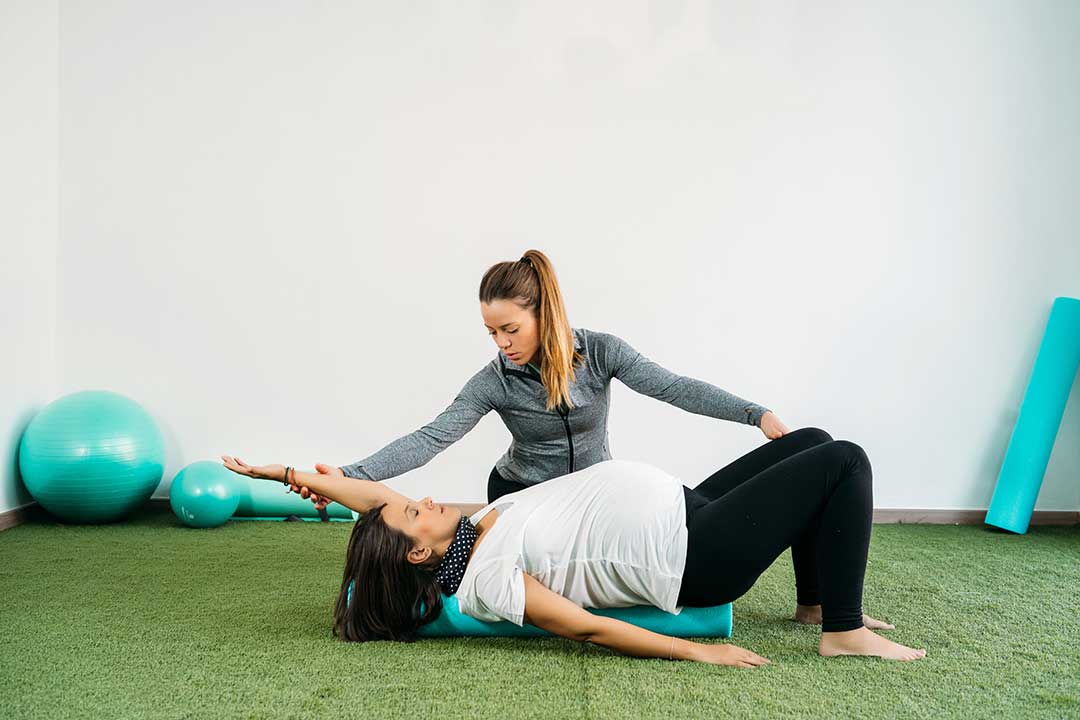
It’s a myth that all exercise is risky for sore backs. In fact, controlled, pain-free movement helps most people recover faster.
Should Ice or Heat Be Used?
Both ice and heat can help, but timing makes a difference. In the first 48 hours after a new injury, cold packs (like frozen peas wrapped in a towel) can limit swelling. After that, heat (from a microwavable pad or warm towel) soothes muscle tightness.
Switch methods if discomfort increases or if one is noticeably more effective. Avoid direct skin contact with ice or heating devices to prevent burns or frostbite.
When Is It Necessary to Seek Medical Attention?
The majority of lower back pain improves within a few weeks with self-care and movement. However, certain symptoms should prompt immediate medical evaluation:
- Numbness, tingling, or weakness in the legs
- Loss of bowel or bladder control
- Pain following a significant fall or injury
- Persistent pain that doesn't improve after a few weeks of home management
These warning signs can indicate more serious conditions that require medical intervention.
What Are Common Myths About Managing Back Pain?
Misunderstandings around back pain often create unnecessary worry or may even slow down recovery for some local residents:
- Myth: Complete bed rest speeds recovery. In fact, staying active usually leads to faster healing.
- Myth: All back pain results from serious injury. Most cases are related to daily lifestyle factors and respond well to conservative care.
- Myth: Pain always means tissue damage. In reality, minor back pain can occur from stiffness, tension, or poor posture with no actual harm.
Understanding these misconceptions helps people make better decisions about activity and recovery.
How Can Residents Support Long-Term Back Health?
Back strength and flexibility can be supported by regular habits throughout the year—important in a community with seasonal changes and varied household activities. Ideas include:
- Maintaining an active lifestyle with walking, gardening, or gentle sports
- Adopting stretching as part of a daily or weekly routine
- Using correct lifting techniques when shoveling, carrying groceries, or working in the yard
- Paying attention to comfort in home workspaces, especially for those working remotely
Over time, daily routines and small changes can add up to better back health and reduced chances of recurring discomfort.