

 See My Latest Article on HelloNation
What Causes Knee Pain for Runners in Newington, CT?
Knee pain while running often develops from a mix of repetitive strain, form issues, surface conditions, or imbalances in strength and flexibility. For area runners, local weather and the variety of paved surfaces—sidewalks, neighborhood roads, parks—can also play a role. Cold winters sometimes mean running with stiffer joints, while spring and summer bring more running opportunities but also more exposure to uneven ground.
Common reasons for knee discomfort in local residents include:
- Increasing mileage too quickly after a sedentary winter
- Running mostly on hard, unforgiving surfaces
- Wearing worn-out shoes lacking proper support
- Muscle imbalances in the hips or thighs affecting knee tracking
- Skipping warm-up routines when heading out on chilly mornings
Understanding personal factors and paying attention to conditions in Newington helps runners take more effective preventive measures.
How Can You Warm Up Properly Before a Run?
A good warm-up readies the knees for sustained activity. In the local climate, temperatures can swing quickly, especially in spring and autumn, making warm-ups even more important.
Here’s how to approach warm-ups:
- Spend at least 5 minutes walking briskly or lightly jogging.
- Use dynamic movements, such as high knees, butt kicks, or gentle lunges.
- When running in colder months, extend warm-up time indoors before stepping outside.
Skipping a warm-up is a common habit that can leave knee joints and surrounding muscles tight and less prepared for impact.
What Kind of Footwear Helps Prevent Knee Issues?
Footwear has a direct influence on knee comfort. Shoes that are too worn out or poorly fitted can shift how the foot and knee handle repetitive force with each step.
To reduce knee stress:
- Choose shoes that match your foot shape and running style (neutral, stability, or motion control).
- Replace footwear after 300-500 miles, or if tread and cushioning look visibly worn.
- Try on shoes later in the day, when feet are slightly larger, and with the socks you’ll wear for running.
Local residents can ask about trail running shoes if planning to use area parks or less maintained paths, as these offer more grip and often better stability.
Are Surface Types in Newington a Factor?
Running surfaces vary widely around the city, and the ground you run on can change your risk for knee pain.
- Asphalt roads and concrete sidewalks, common in residential neighborhoods, provide little shock absorption.
- Local parks and trails often offer softer footing, reducing overall impact but sometimes presenting uneven patches that can challenge the knee in different ways.
Alternating running routes to include softer surfaces, like park trails or grass, can reduce cumulative strain on knee joints—especially if pain tends to flare up after long runs on pavement.
How Should Runners Build Mileage, Especially After a Break?
Rapid changes in running routine, such as ramping up mileage or intensity after the winter, increase the risk of knee discomfort.
Safe progression tips include:
- Adhering to the “10% rule”: increase weekly running distance by no more than 10% each week.
- Adding rest or cross-training days, particularly after more demanding runs around the city.
- Listening to your body; take an extra rest day if your knees feel sore or unusually stiff.
This gradual approach gives your joints, muscles, and connective tissues time to adapt.
What Strength Exercises Are Useful for Knee Support?
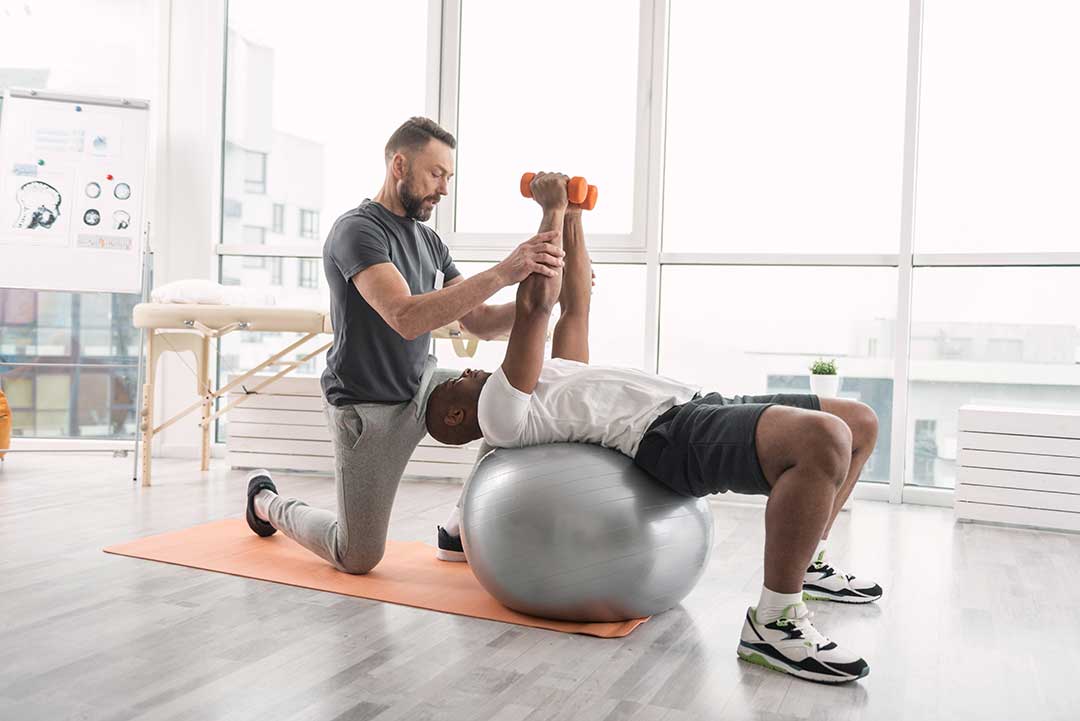
Many knee problems start higher up—weak hips or glutes can alter how forces travel through the leg. Local runners often benefit from simple strengthening routines that target these key areas.
Consider adding the following movements:
- Clamshells and side-lying leg lifts for hip stability
- Bridges or single-leg bridges to strengthen the glutes and hamstrings
- Short step-ups (using local curbs or front steps) to train muscles needed for push-off and control
Completing these exercises two to three times per week can help keep knees tracking correctly throughout each stride.
Is Flexibility or Stretching Important for Knee Comfort?
Tight muscles can change knee alignment and function, leading to pain. Key areas include the quadriceps (front of the thigh), hamstrings, calves, and iliotibial (IT) band.
Regular stretching after a run—when muscles are warm—can help maintain healthy mobility. Hold stretches for about 30 seconds and avoid bouncing. Foam rolling the outer thigh and hip area is also helpful, especially after routes with more hills or uneven terrain, which are found in some neighborhoods around the community.
What Are Common Mistakes Local Runners Make?
Many runners experience knee issues from:
- Ignoring new or lingering pain, hoping it will go away
- Underestimating the effect snowy, icy, or slippery conditions can have on joint safety
- Choosing the same route and terrain every time, leading to repetitive strain
- Skipping strength or flexibility exercises, especially during busy weeks
By catching these habits early, area households can help avoid recurring discomfort.
When Should Knee Pain Be Taken Seriously?
Mild soreness that fades quickly—especially after increasing activity—is normal. However, consistent pain, swelling, or sharp discomfort during or after running requires more caution.
Warning signs include:
- Swelling around the knee joint
- Locking, catching, or an unable-to-bear-weight feeling
- Pain that continues or worsens even after rest
Sometimes, underlying conditions or injuries need professional evaluation for health and safety reasons. Paying attention to these signs helps prevent more severe problems down the line.