

 See My Latest Article on HelloNation
Can Physical Therapy Make a Difference for Arthritis Pain?
Yes, physical therapy can often help manage arthritis pain and improve movement. Arthritis, including osteoarthritis and rheumatoid arthritis, is common in Newington, CT and can limit daily activities. Many residents experience joint stiffness, swelling, or discomfort, especially in colder months or after heavy yardwork. Physical therapy aims to reduce pain, increase joint flexibility, and support safe, independent movement.
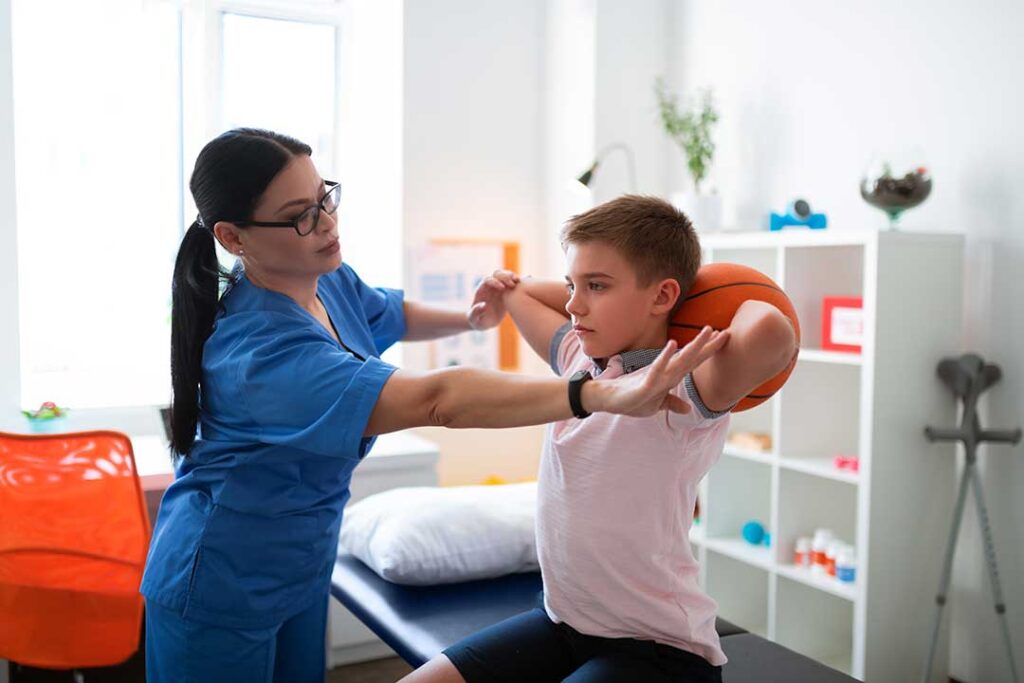
Physical therapists use methods like guided exercises, hands-on joint mobilizations, balance training, and education. The goal is to help people adapt daily routines while preserving joint health and minimizing discomfort.
What Symptoms Can Physical Therapy Address?
Physical therapy may help reduce the impact of these common arthritis-related symptoms:
- Joint pain that worsens after activity, such as raking leaves or shoveling snow
- Swelling, stiffness, or decreased range of motion in the knees, hips, hands, or shoulders
- Difficulty with daily tasks like rising from a chair, navigating stairs, or carrying groceries
Local households—whether in single-family homes or apartments—may see day-to-day challenges from arthritis. These often involve tasks like opening jars, gardening, or walking to area parks. Therapy programs often address these specific limitations.
How Do Therapists Tailor Treatment for Arthritis?
Therapists in the community develop individualized exercise programs based on:
- The specific joints affected
- The type and stage of arthritis
- Each person’s daily responsibilities and interests
For example, someone who enjoys walking the paved trails around local parks may focus on lower body strength and stability. Someone managing hand arthritis might work on grip strength for kitchen tasks. Exercises are adjusted to avoid joint strain and promote gradual improvements.
Is Physical Therapy Only for Severe Cases?
Physical therapy is not limited to advanced arthritis or post-surgical recovery. Many local residents begin therapy with mild to moderate pain or after noticing new limitations. Early intervention can help prevent additional stiffness and keep joints functioning longer.
Some people may believe physical therapy is only useful after joint replacement surgery. In reality, therapy before or instead of surgery can have major benefits, including delaying the need for advanced treatments and fostering confidence in movement.
What Are Common Components of a Therapy Program?
A typical arthritis-focused therapy plan may include:
- Stretching and gentle range-of-motion exercises
- Strength exercises for muscles supporting affected joints
- Balance and coordination training to reduce fall risk
- Activity modification tips to decrease joint stress
- Guidance on using ice, heat, or braces for comfort
- Education about joint protection during daily chores
Area residents may also learn ways to adapt routines for the local climate. For example, preparing joints before going outdoors in the winter or using assistive tools for snow removal can be covered.
Can Physical Therapy Prevent Arthritis from Getting Worse?
While therapy cannot reverse most forms of arthritis, consistent exercise and movement guidance help preserve joint function. Regular participation maintains strength, limits progression of stiffness, and may prevent secondary issues like muscle weakness or balance loss.
Programs developed with local daily realities—involving uneven sidewalks, local sports leagues, or routine home maintenance—can make recommended suggestions more usable and specific.
What Should Residents Know About Safety and Expectations?

Most exercises are gentle and chosen with safety in mind. Physical therapists monitor for joint swelling or pain increases and adjust programs if needed. Occasionally, mild soreness can occur as muscles are reconditioned, but sharp or lingering pain should be discussed.
Realistic goals are essential. Treatment usually focuses on:
- Reducing day-to-day pain
- Improving or maintaining ability to perform valued activities
- Supporting long-term joint health
Regular attendance and practicing exercises at home—such as in living rooms or backyard patios—can boost results.
Are There Situations Where Therapy Isn't Recommended?
Physical therapy is not appropriate for every type of joint pain. Residents should seek medical evaluation for:
- Sudden, severe joint swelling and warmth
- Signs of infection, fever, or unexplained fatigue
- Unusual or rapidly progressing joint deformities
In these situations, an accurate diagnosis from a medical provider is necessary before starting or continuing a therapy program.
How Do Local Conditions Impact Arthritis Management?
The temperate climate and changing seasons in Newington can influence arthritis symptoms. Cold or damp weather might increase stiffness, while household routines often shift with the seasons. Physical therapists familiar with area conditions can offer relevant strategies, such as:
- Warm-up routines before winter activities
- Joint care tips for gardening in spring and fall
- Modifications for community walking trails
Residents play an active role in managing arthritis, and therapy can provide both the guidance and encouragement needed to stay engaged with local life.